
Your teeth have been through a lot by the time you reach your fifties. Decades of coffee, chewing ice, late-night snacks, and the occasional skipped flossing session leave their mark. The good news? Aging teeth do not have to mean missing teeth. Smart habits and steady professional care can keep your smile working well for many more years.
At All Smiles Dental in Idaho, older patients often walk in worried that their best dental years are behind them. They usually leave with a different view. Most issues that show up after 50 respond well to treatment when a dentist spots them early.
What Changes in Your Mouth as You Age
Enamel thins. Gums pull back a little. Saliva production often slows, especially once blood pressure medications, allergy pills, or antidepressants enter the picture. These shifts sound minor on their own, but they stack up. Thin enamel means more sensitivity. Receding gums expose softer root surfaces that decay faster than enamel. Less saliva means bacteria stick around longer.
None of this is cause for alarm. It just means your mouth needs a little more attention than it did in your thirties.
Why Cleanings Matter More Now
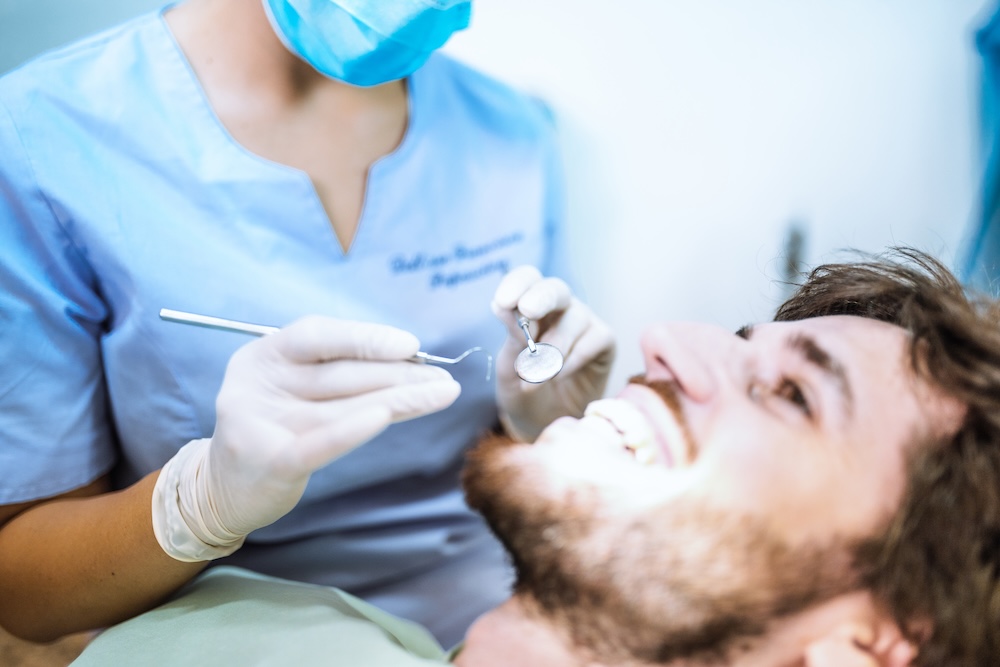
Plaque hardens into tartar faster when saliva drops off, and tartar will not come off with a toothbrush. A hygienist has the tools to clear it from the places your brush misses, including below the gumline where gum disease tends to start.
Exams also let your dentist catch small cracks, weak spots in old fillings, and early shadows on X-rays before they turn into root canals. Waiting until something hurts almost always means waiting too long. If it has been a while since your last visit, booking one with All Smiles Dental is a good place to start.
Taking Care of Your Gums
Gum disease rarely announces itself. It creeps in quietly, often with nothing more than some pink in the sink when you brush. Left alone, it works its way down to the bone that holds your teeth in place. That is the part you cannot replace.
Daily flossing sounds basic, but it does more to protect aging gums than almost anything else you can do at home. A soft-bristled brush and gentle pressure help too. Some patients benefit from cleanings every few months rather than twice a year, especially when early signs of gum trouble start to show.
Fixing Wear Before It Gets Worse
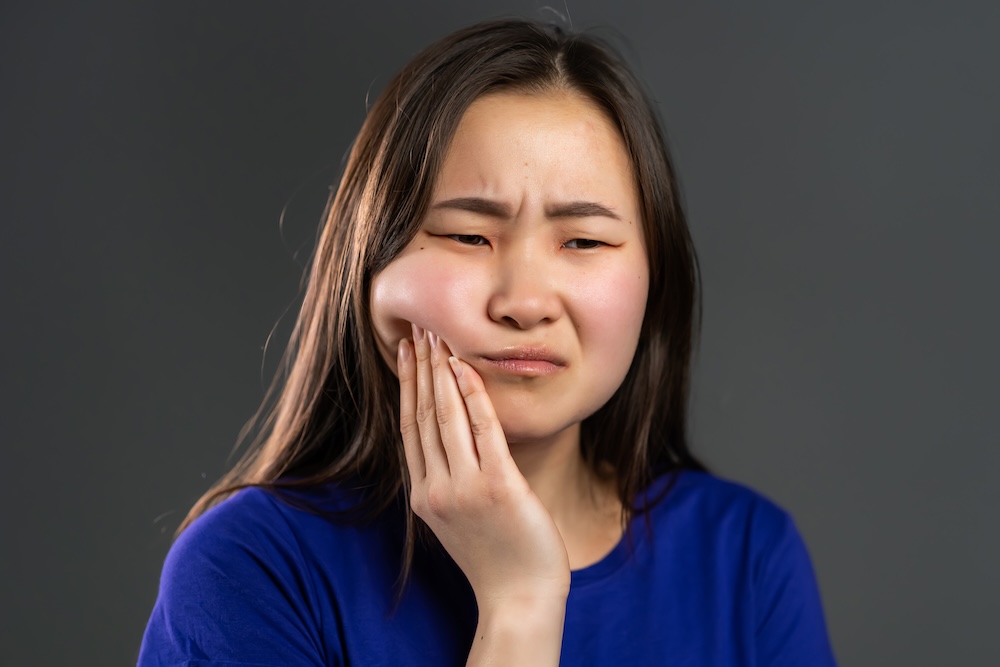
Grinding during sleep, biting hard foods, and plain old time wear teeth down. You may notice a tooth that feels rough, a chip along the edge, or a back molar that looks flatter than it used to.
Small problems have small fixes. A chipped tooth might only need bonding. A worn molar may call for a crown to rebuild the chewing surface. Waiting often turns a simple repair into a bigger procedure, so mention anything unusual during your checkup.
When Teeth Go Missing
Losing a tooth changes how the rest of your mouth works. Nearby teeth drift into the empty space. Biting patterns shift. The jawbone under the gap slowly shrinks because nothing stimulates it anymore.
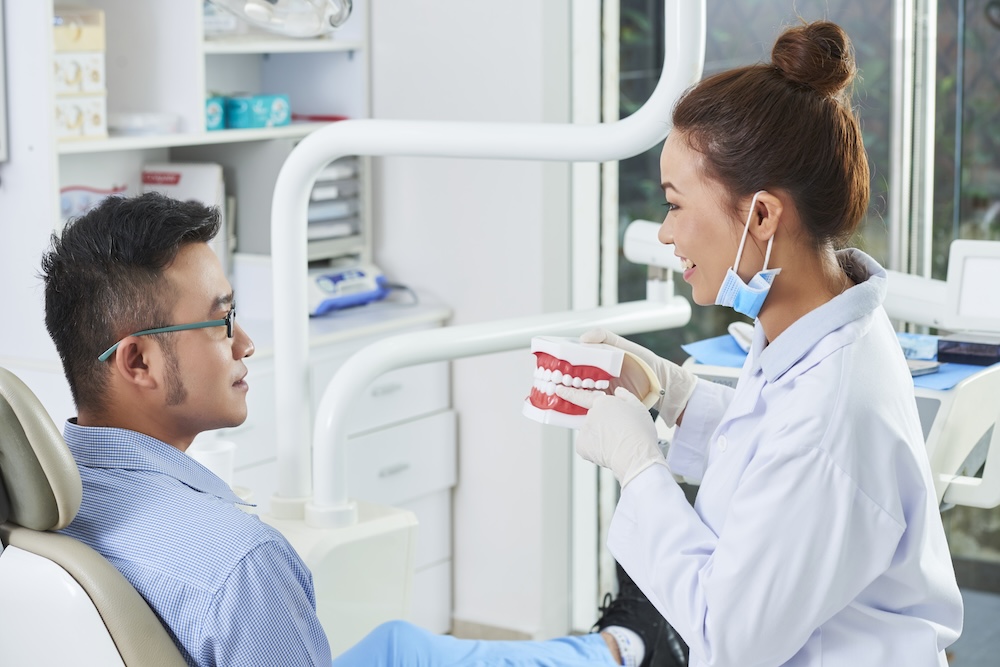
Implants, bridges, and dentures each handle this differently. Implants tend to feel closest to natural teeth and help keep the bone healthy. Bridges work well when neighboring teeth already need crowns. Dentures still have a place, especially for patients replacing several teeth at once. Your dentist can walk you through what fits your situation and your budget.
Dealing with Dry Mouth
A dry mouth is not just uncomfortable. It raises your cavity risk because saliva keeps acids in check. Sipping water throughout the day helps. So does chewing sugar-free gum, which gets the salivary glands working. If medications are the cause, you can find rinses and sprays designed for this problem. Ask your dentist about them at your next visit.
Small Warning Signs Worth Mentioning
A sore that will not heal within a couple of weeks. A tooth that feels loose when it never did before. Pain that comes and goes. These deserve attention, even when they seem minor. Oral cancer screenings are part of a standard exam, and early detection makes a real difference in how a problem gets treated.
Keeping Your Smile for the Long Haul
A healthy mouth past 50 comes down to steady habits and a dentist who knows your history. Brush, floss, drink water, show up for cleanings, and speak up when something feels off. That combination does more than any single treatment ever could.
Ready for a checkup? Reach out to All Smiles Dental and get on the schedule.