
Your natural teeth are meant to last a lifetime. At our office, we do everything possible to help you keep your teeth healthy and strong. Sometimes, though, a tooth becomes too damaged or diseased to save. When that happens, extraction may be the best choice for your overall health.
What Is a Tooth Extraction?
A tooth extraction means your dentist removes a tooth from its socket in your jawbone. Dentists only recommend this procedure when keeping the tooth would cause more harm than removing it. Extraction helps prevent pain, stops infection from spreading, and protects your other teeth.
Types of Extractions
Simple extractions work for teeth you can see in your mouth. After numbing the area, your dentist uses special tools to loosen and remove the tooth. Surgical extractions become necessary when a tooth has broken off at the gum line or has not fully emerged. Your dentist makes a small incision in your gum to reach the tooth.
Common Reasons for Tooth Removal
Severe Decay
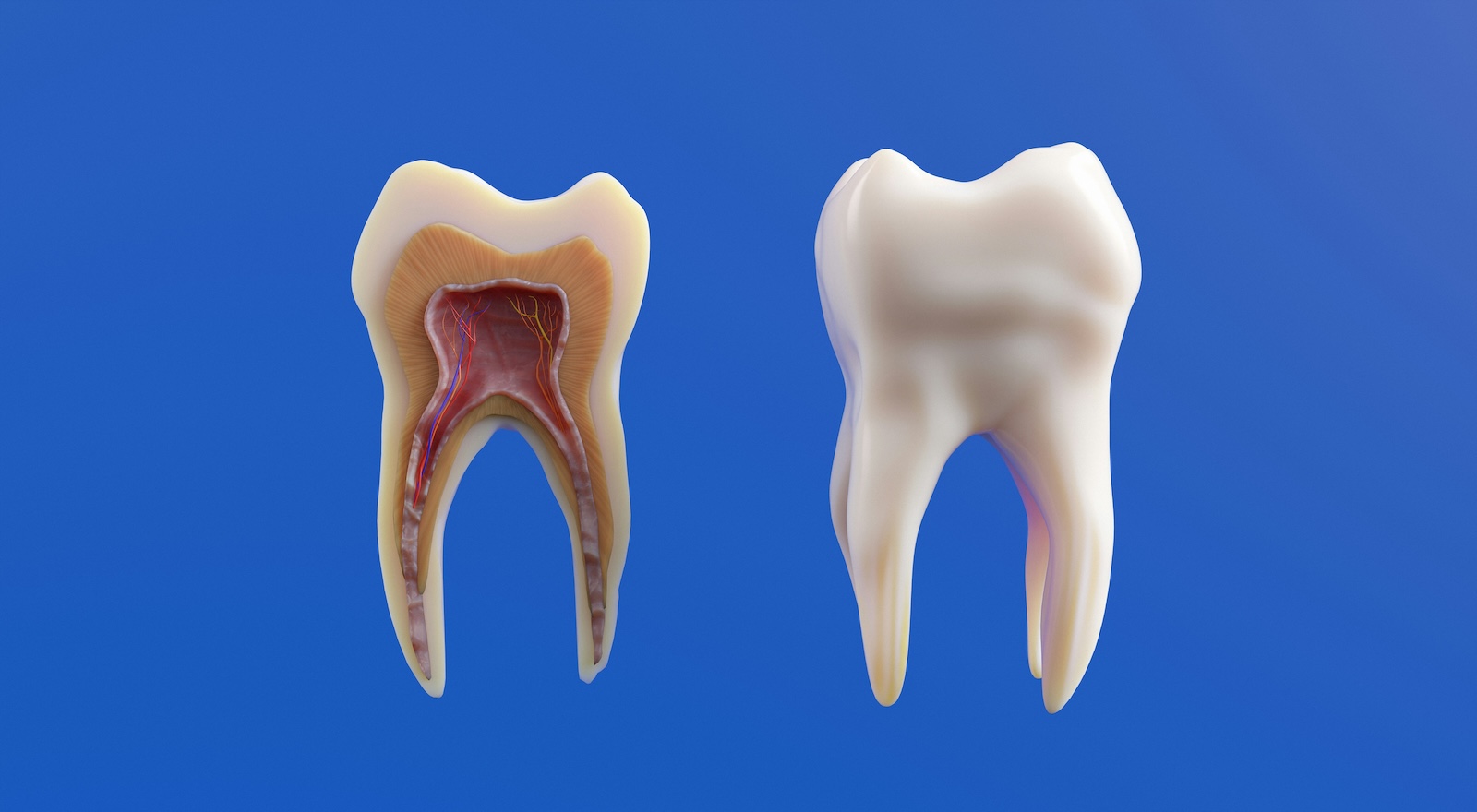
Decay happens when bacteria eat away at your tooth structure. Sometimes decay goes so deep that a filling or crown cannot fix the damage. The infection may reach the inner chamber of your tooth where the nerve lives. If a root canal cannot save the tooth, extraction prevents the infection from spreading to nearby teeth and bone.
Advanced Gum Disease
Gum disease starts with inflammation around your teeth. Without treatment, it destroys the bone that holds your teeth in place. A tooth may become loose when too much bone disappears. At this stage, the tooth cannot function properly and may need removal.
Crowding
Some mouths do not have enough room for all the teeth to fit comfortably. Extra teeth or poorly positioned teeth can push against others and create alignment problems. Removing certain teeth creates space for orthodontic treatment to work effectively.
Broken or Cracked Teeth
Teeth can crack from injury, grinding, or biting down on hard objects. A small crack may be repairable with a crown. Deep cracks that extend into the root often cannot be fixed. These teeth become vulnerable to infection and may cause ongoing pain.
Impacted Teeth
An impacted tooth stays trapped beneath the gum and cannot emerge normally. Wisdom teeth commonly become impacted because they grow in last when space is limited. Impacted teeth can push against neighboring teeth, damage roots, or develop painful infections.
Trying to Save Your Tooth First
We always look for ways to preserve your natural teeth before recommending extraction.
Fillings repair cavities and minor damage. Crowns cover and protect teeth when more structure is lost. Root canal treatment removes diseased tissue while saving the tooth structure, and we then place a crown to protect and restore strength.
Professional cleaning below the gum line treats early to moderate gum disease. This removes bacteria and allows your gums to heal. Braces and other orthodontic tools can often create space for crowded teeth without extraction.
Warning Signs to Watch For
Pay attention to these symptoms and schedule an appointment if you notice them. Tooth pain that continues or gets worse, swelling around a tooth or in your jaw, bad taste or odor coming from a tooth, a tooth that feels loose, trouble biting or chewing, or visible damage and decay all warrant a dental visit.
Early treatment gives you the best chance of saving a tooth. Do not wait for pain to become severe before seeking care.
What Happens During Your Extraction
Your dentist will numb the area around your tooth before starting. You should not feel pain during the procedure, though you may notice pressure. For anxious patients or complicated cases, sedation options help you stay relaxed and comfortable.
After removing the tooth, your dentist places gauze over the socket to help a blood clot form. This clot is essential for proper healing. You will receive clear instructions about caring for the extraction site at home.
Healing and Aftercare
Most people experience some tenderness and swelling after extraction. These symptoms usually improve within a few days. Stick to soft foods and avoid disturbing the extraction site. Gentle rinsing with warm salt water helps keep the area clean. Contact your dentist right away if you develop severe pain, heavy bleeding, or signs of infection.
Replacing Your Missing Tooth
After extraction, you may want to replace the tooth to maintain your bite and appearance. Options include dental implants, bridges, and dentures. All Smiles Dental offers several replacement solutions to match your needs and goals.
Your Partner in Dental Health
Deciding whether to extract a tooth involves careful consideration. We examine your situation thoroughly, explain all your options, and help you make an informed choice. Your comfort and long-term oral health guide every recommendation we make.
If you have concerns about a tooth or experience dental pain, contact our office. Early care often leads to better outcomes and may help you avoid extraction altogether.