
Teeth grinding, also called bruxism, may not sound like a big deal. Many people grind or clench their teeth during sleep or stressful moments without realizing it. While occasional grinding rarely causes harm, ongoing bruxism can quietly damage your teeth, your jaw, and your quality of life. Here’s what untreated teeth grinding can do and how to protect your smile.
The Silent Pressure Your Teeth Were Never Built For
At All Smiles Dental, we see patients who have no idea how much harm grinding can cause. Bruxism refers to any type of forceful contact between the teeth, whether it’s loud and grating or silent clenching. Either form puts heavy, repeated pressure on your teeth and jaw joints. Because the damage builds slowly, many people don’t notice warning signs until symptoms appear. Jaw pain, headaches, tooth sensitivity, or teeth that look shorter and feel rough along the edges are all results of grinding pressure that has gone unchecked.
Your Enamel Only Gets One Chance
One of the biggest risks of untreated bruxism is damage to your enamel. Enamel is the hard outer layer that protects each tooth, and your body cannot grow it back once it wears away. Grinding slowly strips this layer down, leaving teeth more sensitive to hot and cold foods and more vulnerable to decay. You may also start to notice cracks or chips as your teeth weaken under the stress. Over time, this kind of damage may require crowns, bridges, or other restorations to repair.
When Your Jaw Starts Fighting Back
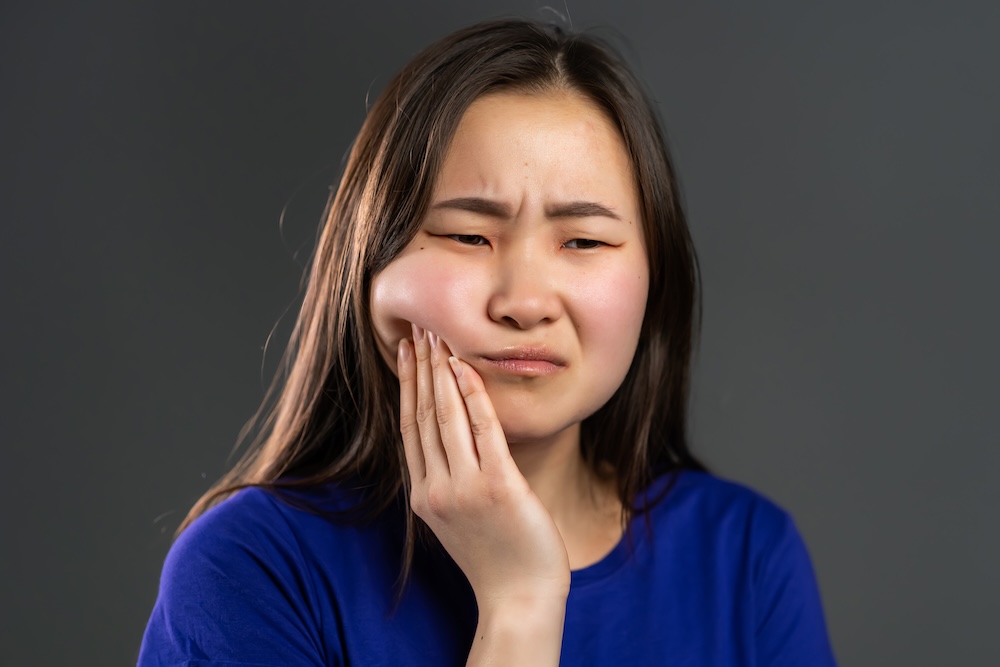
Grinding also takes a toll on your temporomandibular joints (TMJ), the joints that allow you to open and close your mouth. Constant clenching strains the muscles and joints around your jaw, leading to pain, stiffness, and sometimes difficulty opening your mouth wide. Some people hear clicking or popping sounds when they chew. In more severe cases, bruxism can even affect hearing and change the appearance of your face. These symptoms develop because the joint becomes irritated from repeated, forceful pressure.
More Than a Mouth Problem
The effects of habitual grinding don’t stop at your mouth. Tension in the jaw muscles often triggers headaches that spread to the neck and shoulders. Many people wake up with sore muscles or a dull headache that feels worse in the morning. This ongoing discomfort can drain your energy and make it harder to focus.
Sleep quality suffers, too. Sleep bruxism disturbs rest for both you and anyone sharing your bed. Poor sleep affects mood, energy, and overall health, even if you aren’t aware of the grinding itself.
What Happens When Grinding Goes Too Far
Without treatment, bruxism can eventually affect the structures that support your teeth. Constant pressure can cause gums to recede and make teeth feel loose. In severe cases, grinding over long periods can wear teeth down to stumps, cause fractures, or even lead to tooth loss. At that point, you may need more complex dental work like implants or dentures to rebuild your smile. These treatments involve more time and expense than preventive care that could have caught the problem early.
Catching the Grind Before It Catches Up to You
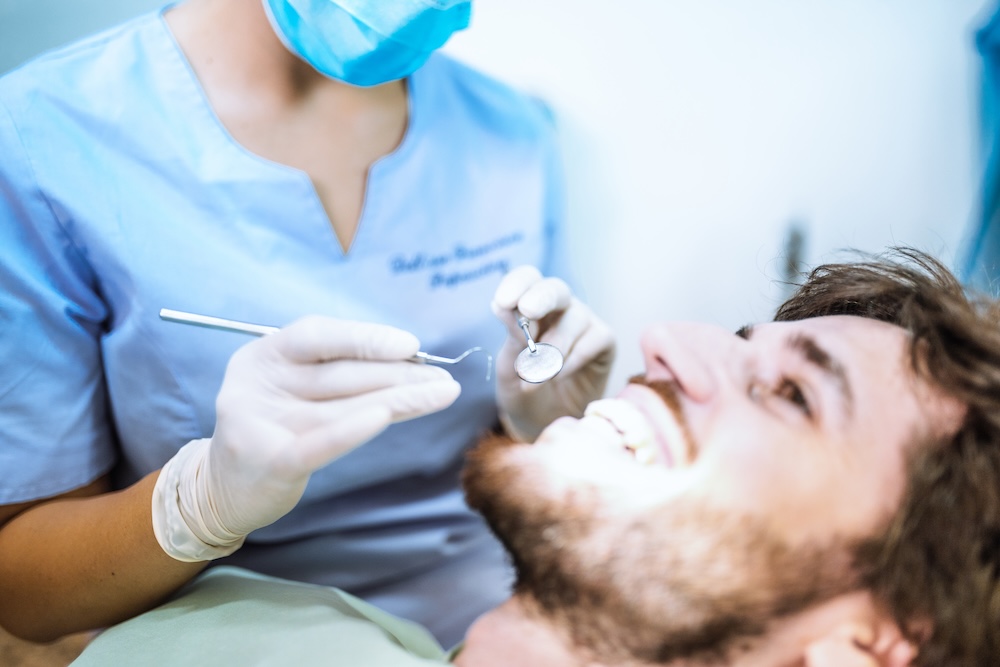
Because the damage from bruxism builds gradually, early detection makes all the difference. Regular dental exams give your dentist the chance to spot signs of grinding before serious problems develop. If your dentist suspects bruxism, they can recommend steps to stop the damage and protect your oral health.
One of the most common and effective solutions is a custom night guard. This dental appliance fits over your teeth during sleep and absorbs the pressure of grinding, keeping your upper and lower teeth from wearing against each other. A well-fitted guard can reduce enamel wear, protect existing dental work, and ease muscle strain.
Getting to the Root of the Grind
Addressing the cause of grinding matters just as much as managing its effects. Stress and anxiety are among the most common triggers. Learning stress-reduction techniques, exercising regularly, and talking with your healthcare provider can all help minimize grinding episodes.
A few everyday habits can also make a difference. Cutting back on caffeine, avoiding alcohol, and skipping the habit of chewing on pens or gum can help relax your jaw. Placing the tip of your tongue between your front teeth during the day trains your jaw to release tension. At night, a warm washcloth held against your cheek before bed can help loosen tight muscles. In some cases, correcting dental misalignment or an uneven bite can reduce grinding as well.
Take the First Step Toward Relief
Teeth grinding may start quietly, but its effects can become significant if left unchecked. If you experience jaw pain, morning headaches, or signs of tooth wear, don’t wait for the damage to get worse. With early care and the right tools, you can prevent long-term harm and maintain a healthy, comfortable smile. Get in touch with our team today to schedule a consultation.